
Protecting Your Dog’s Paws This Winter: Keeping Our Molly’s Feet Happy in the Snow
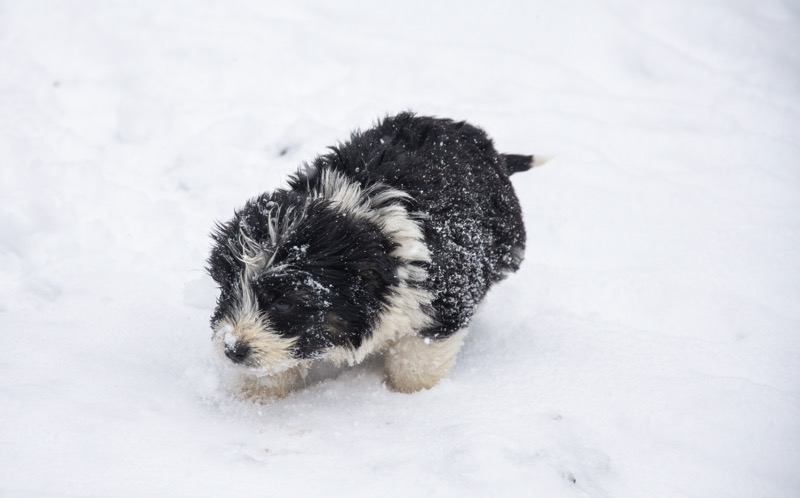
Winter walks can be truly magical — the soft crunch of snow underfoot, the sparkling frost on trees, and your dog’s tail wagging with excitement. For Molly, my adorable Maltipoo, those frosty morning strolls are the highlight of her day.
But while we’re soaking in the beauty of winter, our dogs’ paws are quietly facing a seasonal hazard: harsh ice melt, road salt, and freezing pavement.
Your dog’s paws are tough — built for adventure — but they’re not invincible. Molly’s certainly aren’t. After just one long walk through salted sidewalks, I noticed her licking and lifting her paws more than usual, a telltale sign that something wasn’t right. If your pup’s paws are starting to show redness, cracking, or dryness, it’s time to take action before the chill takes a toll.
3 Key Takeaways:
-
Winter hazards can harm paws: Salt, ice melt, and freezing surfaces can cause cracking, burns, or irritation — even on short walks.
-
Protection starts before the walk: A good paw balm or booties create a barrier that shields your dog’s pads from chemicals and cold.
-
Aftercare is just as important: Always wipe and dry paws post-walk, and use soothing balms or a humidifier indoors to prevent dryness and irritation.
Why Winter Can Be Harsh on Paws
When temperatures drop, cities and homeowners treat roads, sidewalks, and driveways with salt and chemical de-icers to prevent slipping.
Unfortunately, those same materials can stick to paw pads and irritate the skin. Dogs may then lick their paws clean, ingesting the chemicals — which can lead to stomach upset or worse. Even short walks can cause mild burns or cracked pads that make future walks painful.
Step 1: Create a Barrier Before You Step Outside
Before venturing out, apply a [paw protection balm] — it’s like winter boots in a jar. These protective balms form a natural shield that prevents snow, ice, and salt from clinging to the fur between your dog’s toes. Look for [organic, food-safe formulas] that are safe if your dog licks their paws later. A quick rub before each walk can make a world of difference.
Step 2: Try Booties for Maximum Protection
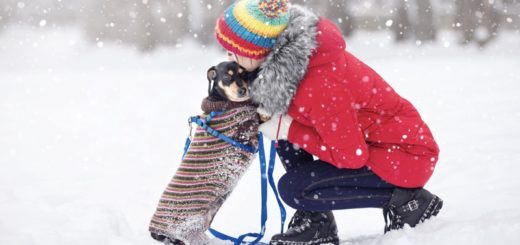
If your dog tolerates them, [dog booties] are the gold standard for winter protection. They keep paws warm and dry while giving your pet traction on slick sidewalks. Choose lightweight, non-slip boots with adjustable straps so they stay secure. For dogs new to wearing shoes, start with short indoor sessions — toss a treat, give praise, and make it fun. Molly wasn’t a fan at first, but now she trots out the door like a snow queen.
Step 3: Post-Walk Clean-Up Matters More Than You Think
When you return home, wipe your dog’s paws thoroughly to remove salt, antifreeze residue, or snow buildup. A [dog paw cleaning mitt] or [gentle paw wash solution] makes this step easier and faster. Use a warm, damp cloth and dry thoroughly afterward — moisture left between toes can cause yeast or fungal infections. This small ritual also gives you a chance to inspect for any cuts or irritation.
Step 4: Repair and Restore
If you notice cracked or irritated pads, use a [healing paw balm] daily to soothe and repair the skin. Trim long fur around the paw pads to prevent painful ice balls from forming between toes. Inside your home, run a [humidifier] to balance dry winter air — it keeps both your dog’s skin and yours from drying out.
Final Thoughts
Your dog shouldn’t have to skip winter adventures because of cold, sore paws. With a little preparation and the right gear, you can keep your pup’s feet warm, safe, and ready for playtime — from the first snowflake to the final thaw.
So the next time you leash up your dog for a walk in the crisp winter air, remember: a few minutes of care before and after can make all the difference. After all, every snowy walk should end with happy paws, a wagging tail, and a cozy nap by the fire.
Share your thoughts in the comment section below. Be sure to check back with Dogs and Barks for all the latest advice on training and health to heartwarming stories and lifestyle inspiration.
Follow Us: Facebook | Instagram | Twitter |Reddit
🐾 Sources & Further Reading
For more expert advice on keeping your dog’s paws safe this winter, check out these trusted resources:
-
American Kennel Club (AKC): Winter Paw Protection Tips — Practical advice on balms, booties, and after-walk care to prevent salt burns and cracking.
-
ASPCA: Cold Weather Safety Tips — Learn how to protect pets from antifreeze, ice melt, and other cold-weather dangers.
-
Humane Society of the United States: Protecting Pets in Cold Weather — Expert guidance on paw care, protective gear, and staying safe during winter walks.
-
PetMD: How to Protect Your Dog’s Paws in Winter — Detailed veterinarian-backed tips for maintaining healthy paw pads.



2 Responses
[…] truth is, winter walks can actually be wonderful for both dogs and humans. With the right mindset, gear, and precautions, those chilly outings can strengthen your […]
[…] drop, your dog may feel the chill long before you notice the signs. While some breeds thrive in winter weather, many dogs — especially seniors, puppies, small dogs, and short-haired breeds — struggle to stay warm even during mild cold […]