5 Signs Your Dog Is Too Cold (and How to Warm Them Up Safely)
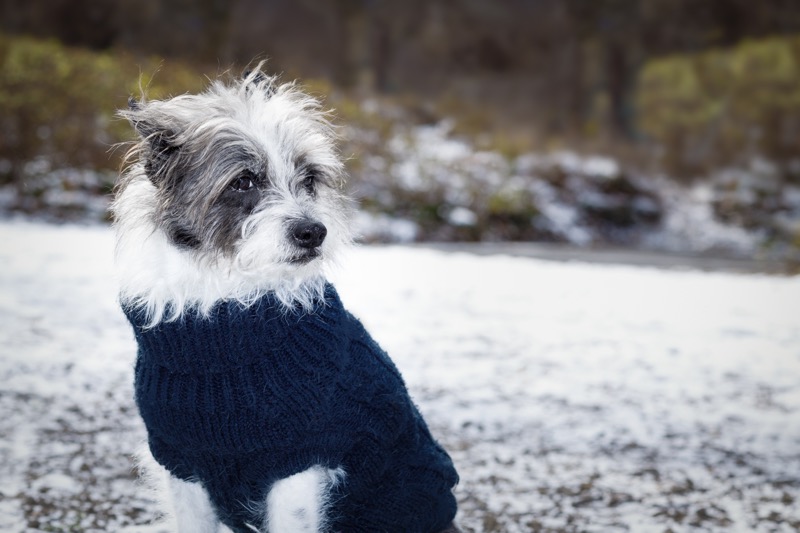
When temperatures drop, your dog may feel the chill long before you notice the signs. While some breeds thrive in winter weather, many dogs — especially seniors, puppies, small dogs, and short-haired breeds — struggle to stay warm even during mild cold snaps.
Dogs can develop hypothermia or frostbite faster than most people realize, so it’s crucial to recognize early warning signs before the cold becomes dangerous.
Here are the five biggest red flags your dog is too cold, along with safe, vet-approved ways to warm them up quickly and gently.
1. Your Dog Is Shivering or Trembling
Shivering is usually the very first sign that your dog is losing body heat. Just like humans, dogs involuntarily tremble when their muscles tighten to generate warmth.
Occasional trembling outdoors may be normal, but constant or intense shivering — especially if your dog is curling tightly into themselves — means they’re genuinely uncomfortable.
Dogs most likely to shiver include:
Small or toy breeds
Short-haired breeds
Senior dogs
Dogs with arthritis
Recently shaved or groomed dogs
If your dog begins trembling, bring them indoors immediately and warm them with blankets, your body heat, or a warm-but-safe heating pad. (COLD MEDICINE FOR DOGS, HERE!)
2. Curling Up Tightly or Holding Paws Off the Ground
When dogs are cold, they instinctively try to conserve body heat. This often looks like:
Curling into a tight ball
Tucking the tail underneath
Hunching their back
Lifting their paws off the cold ground
If your dog refuses to place their paws on snow or ice, they may feel pain or numbness — a sign of early frostbite or cold-induced discomfort. Snow, ice, and salted sidewalks can irritate and damage paw pads.
If you spot this, bring them inside, dry their paws thoroughly, and apply a pet-safe balm to soothe cracking.
3. Slowing Down, Freezing in Place, or Refusing to Walk
A dog who suddenly becomes sluggish or hesitant outdoors is telling you something important. Cold temperatures can stiffen joints, tighten muscles, and make paws painfully cold.
Your dog may:
Slow their pace
Hold their body stiffly
Attempt to turn around
Refuse to move
Seek to be held
These behaviors mean they’ve hit their cold limit and need to warm up immediately. Even snow-loving breeds can get too cold in harsh wind or freezing rain.
4. Cold Ears, Cold Paws, or a Cold Belly
A quick way to check your dog’s temperature is to gently touch:
The tips of their ears
Their paw pads
Their belly
The inside of their thighs
If these areas feel cold, hard, or cool to the touch, your dog is losing heat faster than their body can produce it.
More serious signs include:
Ice stuck to whiskers or fur
Stiff or slow movements
Whining or confusion
Pale gums
Shallow breathing
These symptoms may signal the early stages of hypothermia — a medical emergency.
5. Whining, Anxiety, or Unusual Behavior
Cold discomfort doesn’t always show up physically — sometimes it’s emotional or behavioral.
A cold dog may:
Whine or whimper
Be unusually clingy
Pace to stay warm
Act restless or anxious
Seek your lap or blankets
Avoid sitting or lying down
This is their way of asking for help. Never ignore these cues, especially during cold spells.
How to Warm Your Dog Up Safely
Once you recognize the signs, warm your dog up slowly and safely:
Bring them indoors immediately
Wrap them in warm blankets
Offer warm (not hot) water or broth
Use your body heat or a heated pet bed (BUY HEADED PET BED, HERE)
Dry wet fur thoroughly
Dress them in a winter coat for outdoor trips
Avoid hot baths or high-heat heating pads — they can shock the system or burn sensitive skin.
Winter weather can be magical, but it also brings real risks for our dogs — especially those with thinner coats, health issues, or small frames.
Recognizing the early signs of cold discomfort is key to keeping your dog safe. Shivering, paw lifting, slowing down, cold body parts, or unusual behavior are all signals that your dog needs warmth immediately.
By watching for these clues and warming your dog up safely, you’re protecting their health and comfort throughout the season. With the right winter gear, smart outdoor limits, and a cozy place to curl up, your dog can enjoy winter without danger.
At the end of the day, our dogs rely on us to keep them safe — and a warm, happy winter is one of the best gifts we can give them.